One island, many layers: coast, limestone highlands and the Haghier mountains.
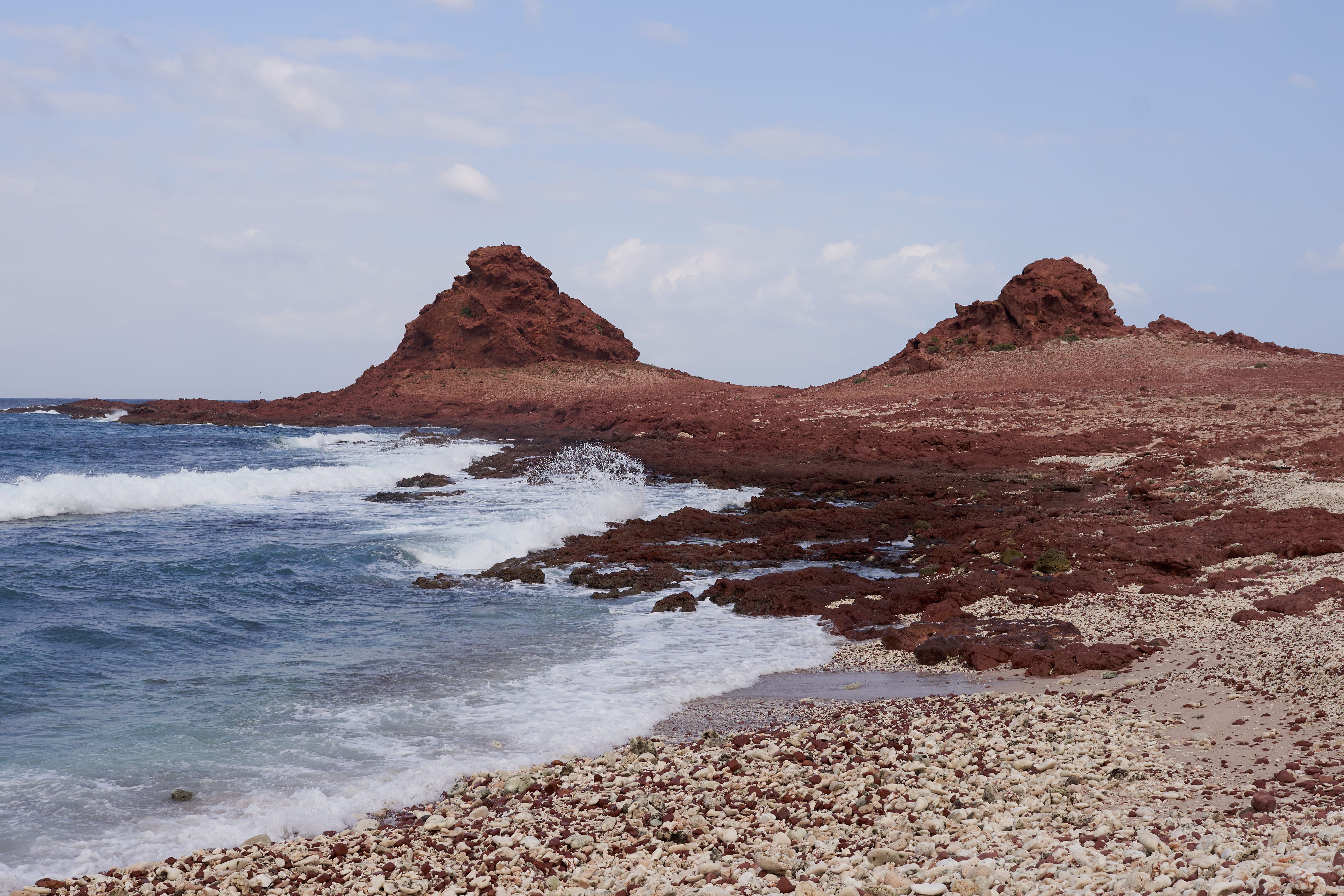
Socotra is more than one postcard view. Low coastal plains and lagoons give way to limestone plateaus, while the Haghier mountains rise from the island's older igneous rocks. The result is a journey through strikingly different terrain, sometimes within a single day.
THREE LANDSCAPES, ONE ISLAND
On the coast, wind shapes beaches, dunes and shallow water. Inland, limestone forms broad plateaus, steep wadis and caves. The Haghier range adds a rough mountain skyline. These layers explain why a short distance on a map can feel like a change of worlds; Socotra should not be described simply as a volcanic island.
THE HIGHLANDS: STONE AND SHADE
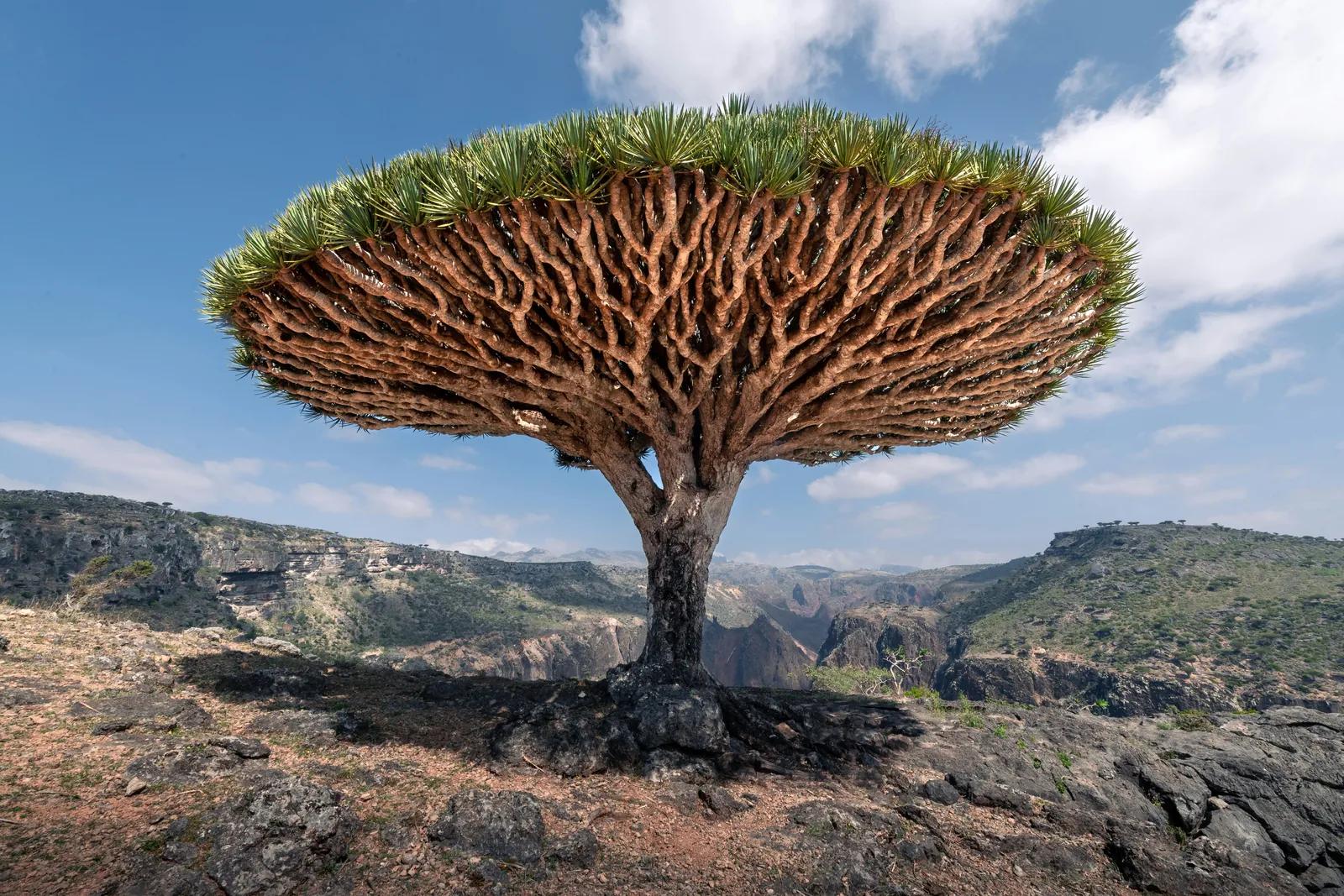
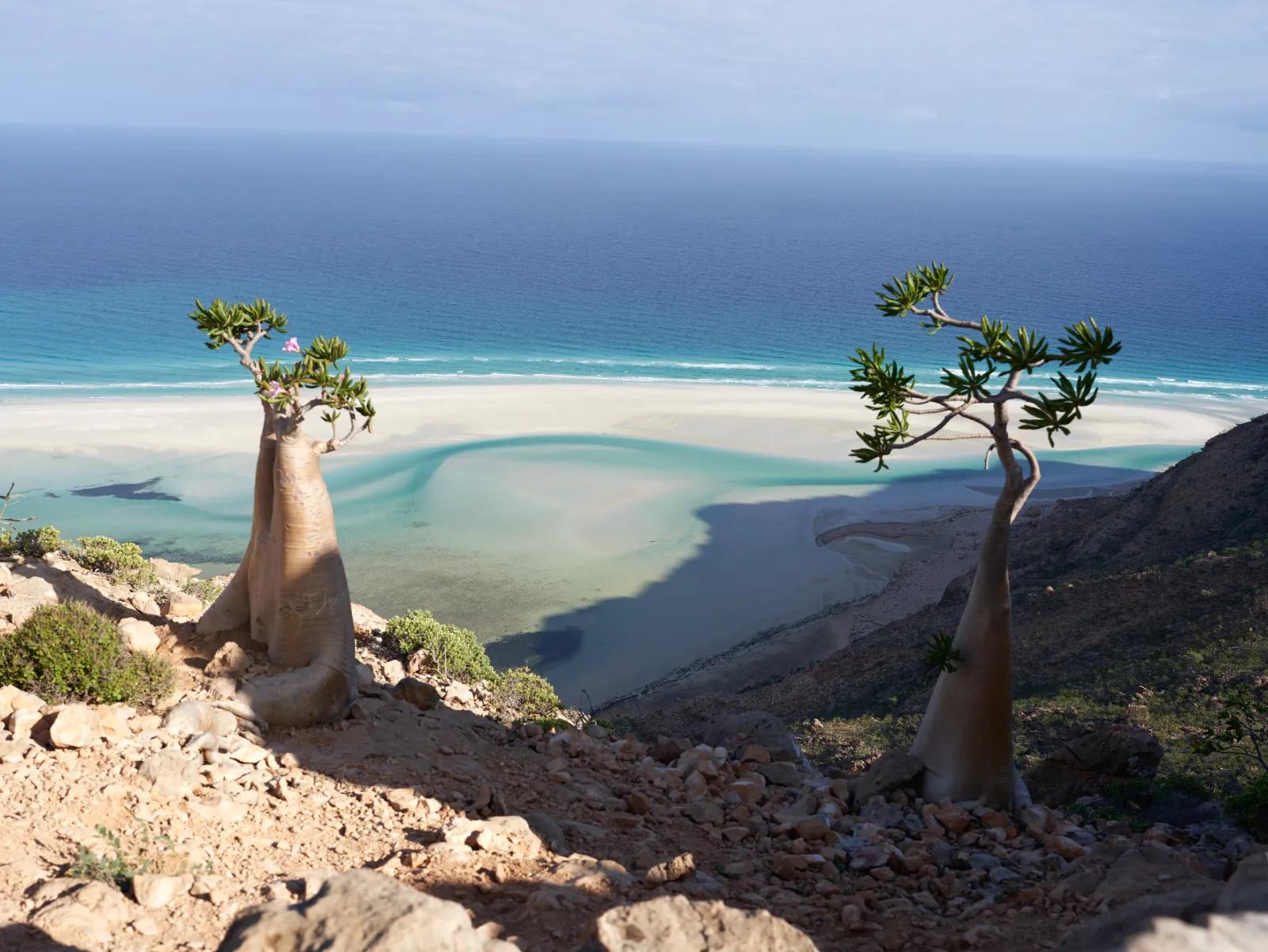
Around Diksam and Firmihin, umbrella-shaped dragon blood trees spread across the limestone highlands. Walk slowly: a lone silhouette becomes a forest as the angle changes. The open plateau offers little shade, and its fragile vegetation is best viewed from established routes.
WHERE DUNES MEET THE SEA
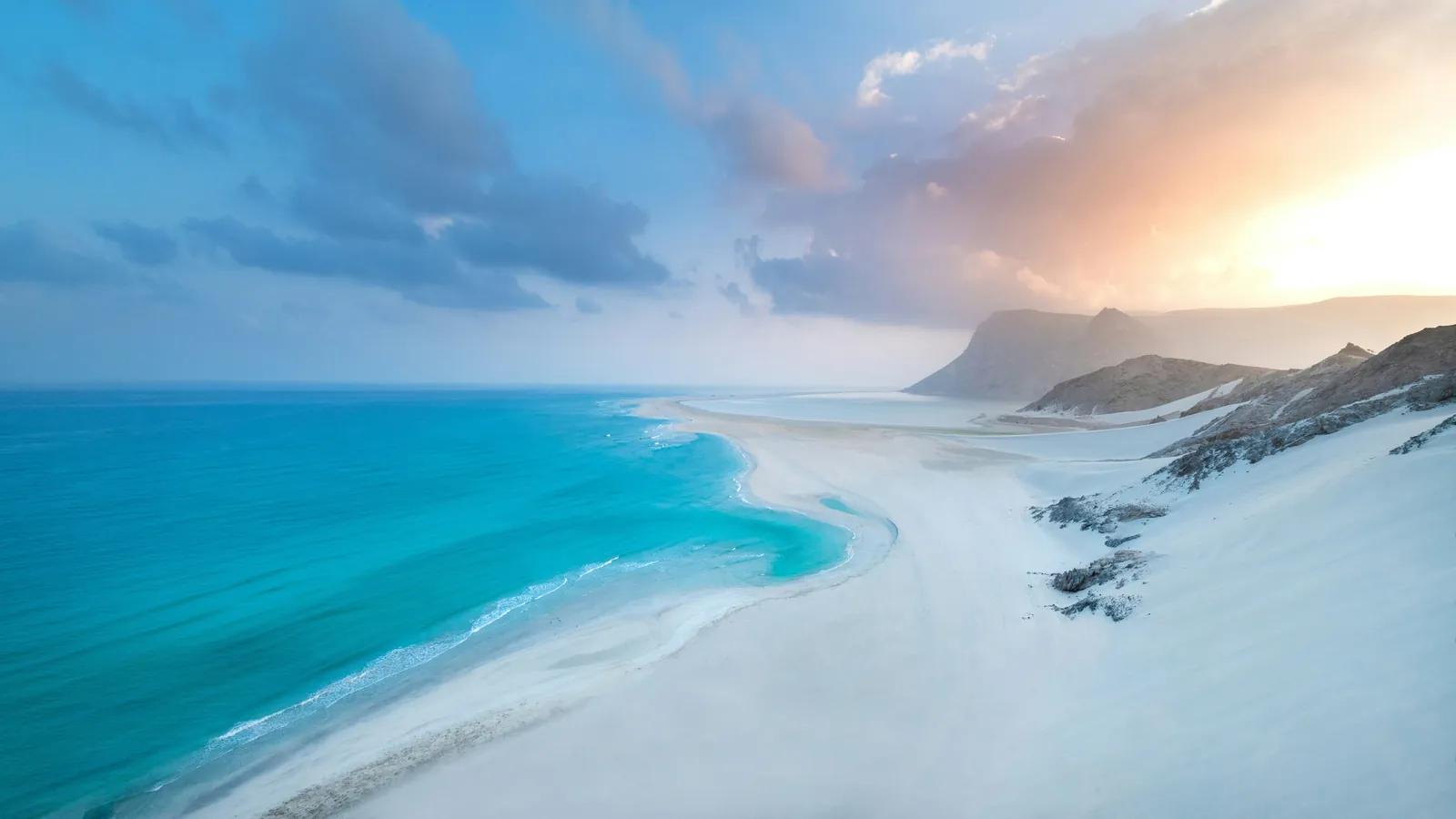
At Arher, pale sand climbs beside dark cliffs and turquoise water. Wind and light redraw the scene through the day. Climb only where your local guide considers the sand and conditions suitable, and leave the dunes as you found them.
DETWAH'S SHALLOW WATER
Detwah Lagoon is a coastal wetland as well as a remarkable view. Its shallow water and tidal margins deserve care: avoid disturbing birds or crossing sensitive flats simply to reach a camera angle. From higher ground, the contrast between lagoon, sand and sea is just as memorable.
CANYONS AND CAVES
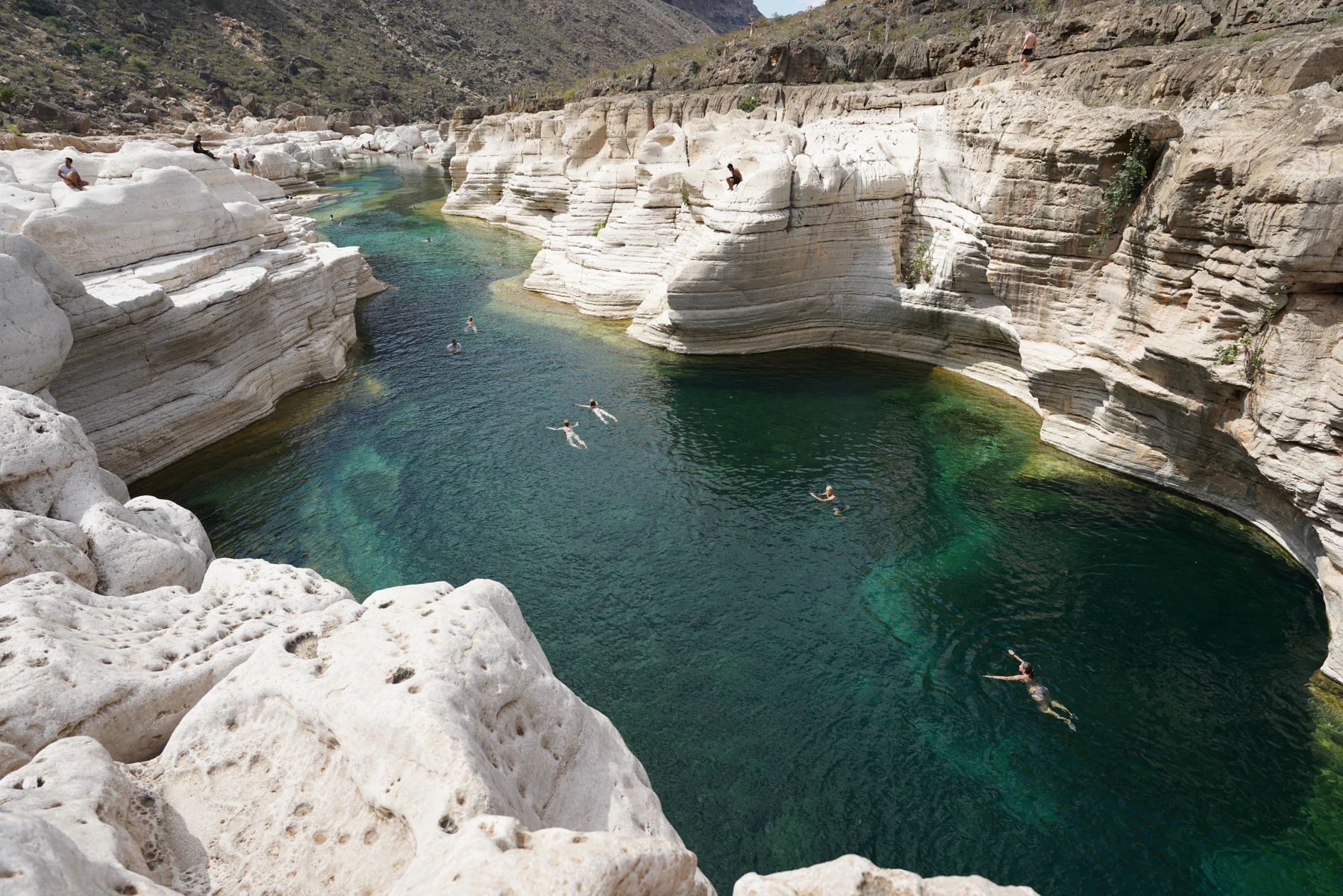
Limestone also holds wadis, pools and caves. Kalisan and Dirhur show how water changes dry country; Hoq Cave adds a human history to the geology through traces left by earlier visitors. Access, paths and water levels change, so follow local guidance and do not touch cave markings or formations.
LET THE LAND SET THE PACE
A ridge turning gold near sunset or the first shade in a valley may be as memorable as a named stop. Carry water, stay on established routes, leave plants and stones where they belong, and make time to look before moving on.
Further reading: UNESCO World Heritage: Socotra Archipelago · Geological study of Socotra